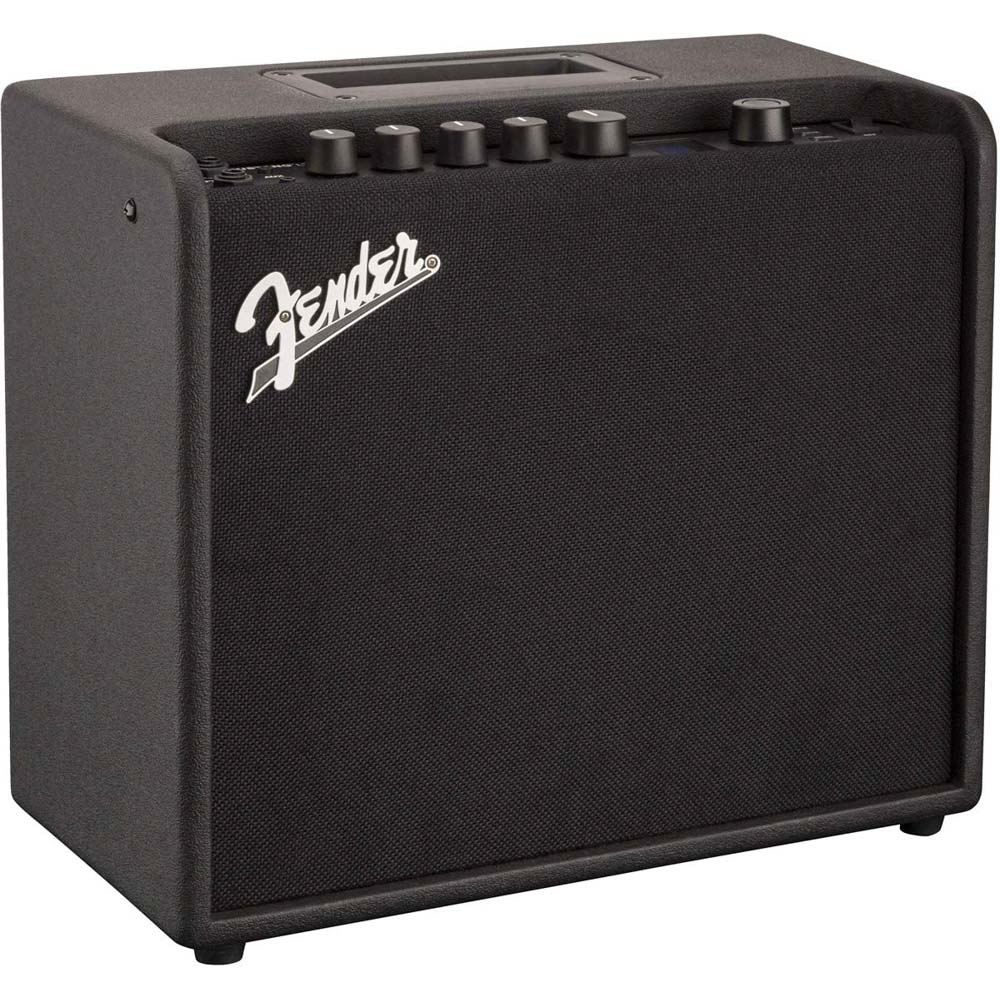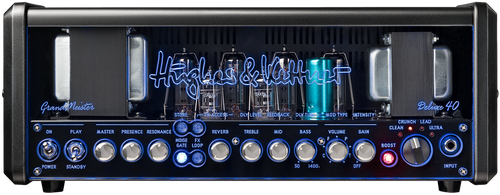
Electric guitars are a cornerstone of modern music, celebrated for their versatility and unique tonal qualities. As an electrical engineering student and a guitarist, I’m fascinated by the interplay between the technology behind amplifiers and the artistry of music. The debate between analog (tube) amplifiers and digital amplifiers is a heated topic in the guitar community, with opinions rooted in both technical and artistic perspectives.
For decades, analog amplifiers were the kings of tone. Their warm, organic sound comes from how vacuum tubes respond to the guitar’s signal. The harmonic richness and dynamic response of analog amplifiers enhance the guitar’s natural character, creating a nuanced connection between player and sound.
In recent years, digital amplifiers have gained traction. Using advanced digital signal processing (DSP), they replicate analog tones while offering benefits like portability, versatility, and cost-effectiveness. With features such as preset storage and modeled tones, digital amplifiers are appealing to modern guitarists.
Despite their advancements, digital amplifiers face criticism for failing to perfectly replicate analog tone. Digital amplifiers process the guitar signal through algorithms, which involves sampling and quantization. This process can lose subtle harmonics and dynamics, as I’ve learned in my signal processing courses. These limitations make purists argue that digital amplifiers still lack the “magic” of analog sound.
From an interdisciplinary perspective, this debate also involves human perception. Sound is not just technical; it’s emotional. Analog amplifiers’ imperfections often add charm, creating a sound that resonates deeply. Digital amplifiers, in striving for precision, sometimes feel sterile or artificial.
That said, dismissing digital amplifiers outright is shortsighted. Their flexibility and affordability have made music accessible to many. As technology advances, the gap between digital and analog tones continues to narrow, with some digital amplifiers nearly indistinguishable from analog in blind tests.
Ultimately, the choice between analog and digital depends on the guitarist’s priorities. Analog offers authenticity and tactile connection, while digital provides convenience and versatility. As an electrical engineering student, I see immense potential in refining digital amplifier technology. With advancements in machine learning and signal processing, digital amplifiers could one day rival or even surpass analog in tonal quality.
The analog-versus-digital debate reflects the balance between tradition and innovation, challenging us to embrace technical progress while preserving artistic integrity—a dynamic that resonates in both music and engineering.