The term “digital” often makes us think of advanced technology like computers or smartphones, but it actually refers to something more fundamental: discrete, countable units, as opposed to smooth, continuous variations. By this definition, we can classify objects and concepts from ancient history to the modern era as either digital or not digital. Let’s explore some examples: a Shakespearean play, two types of paintings, a musical performance, and an audio file.
A Shakespearean play written on paper, with ink smudges creating “noise,” is not digital. The words themselves are discrete symbols, which might suggest a digital nature. However, the medium—the physical paper and ink—makes the information analog because it is subject to continuous variations. Smudges or faded ink could blur distinctions between letters, creating a continuous spectrum of information rather than clear, separate units.
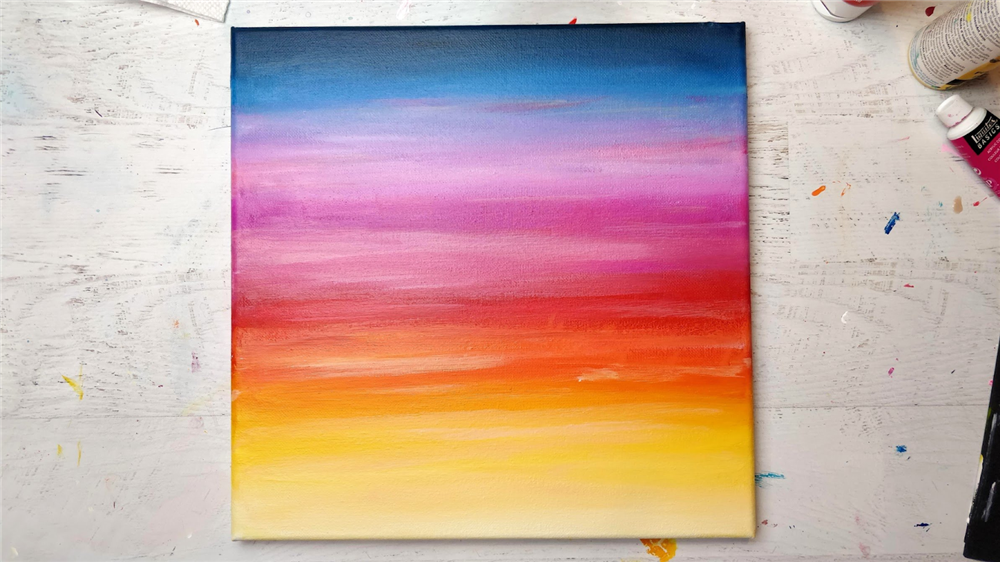
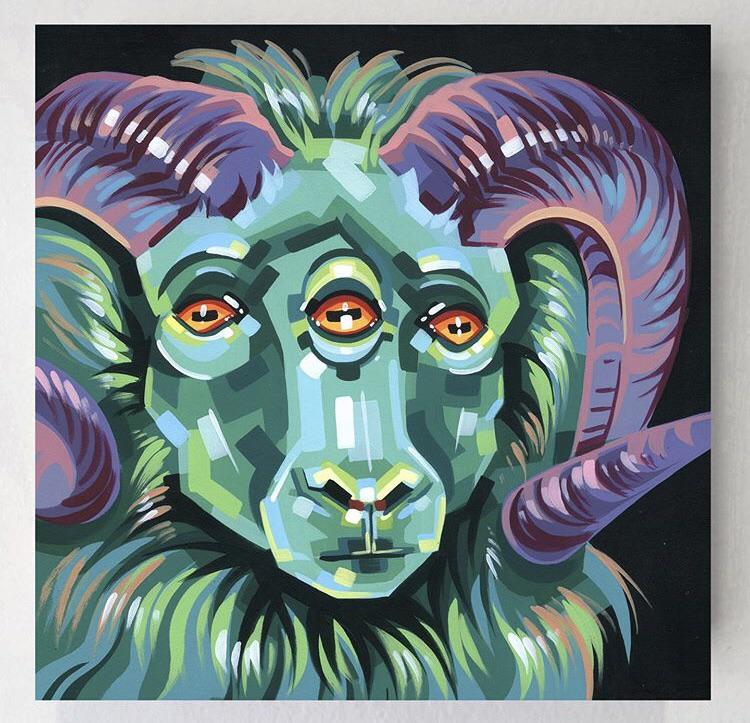
Next, consider a painting with blended colors, like an impressionist artwork where colors transition smoothly from one shade to another. This is clearly not digital. The blending of colors creates infinite possibilities within the color spectrum, with no discrete boundaries. In contrast, a painting with non-blended colors, where each color is distinct and separated (as in pointillism or pixel art), is more digital in nature. Each distinct color acts as a clear, countable unit, similar to pixels in a digital image.
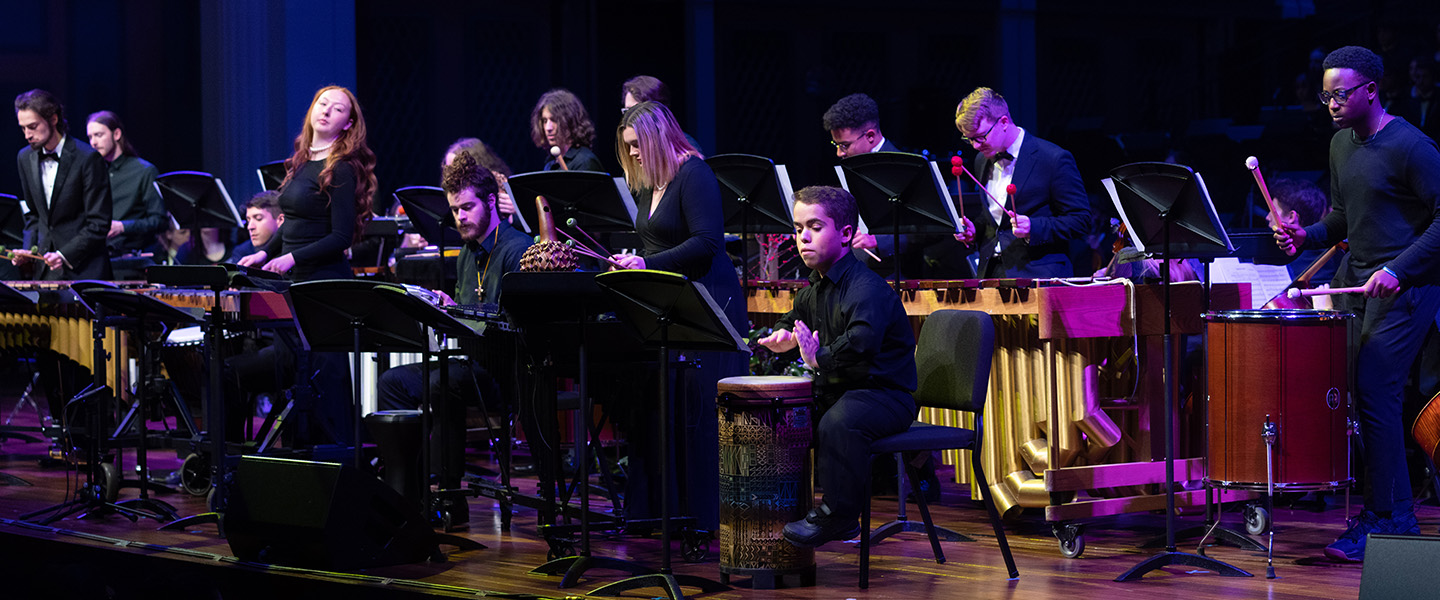
A musical performance is not digital, either. Music performed live involves continuous sound waves that flow smoothly over time. While instruments can strike distinct notes, the vibrations they produce exist in an analog, continuous form. Finally, an audio file is digital because it represents sound as discrete numerical data. Modern audio files convert sound waves into sequences of numbers, which computers can process, store, and play back with remarkable accuracy.
By looking at these examples, we see that “digital” doesn’t always mean “modern.” It’s a concept rooted in how we organize and process information. While technology has advanced the digital realm significantly, discrete and countable systems have been part of human creativity and innovation for thousands of years.