To understand what it means to be digital, it is important to first understand the meanings of both digital and analog. Overall, digital refers to systems that are discrete in nature whereas analog refers to systems that are continuous in nature.
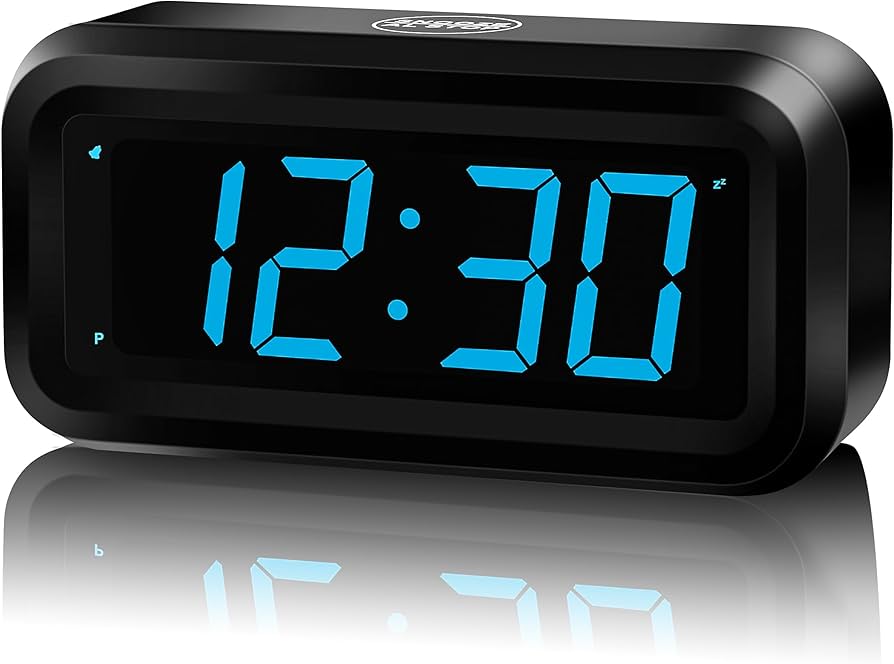
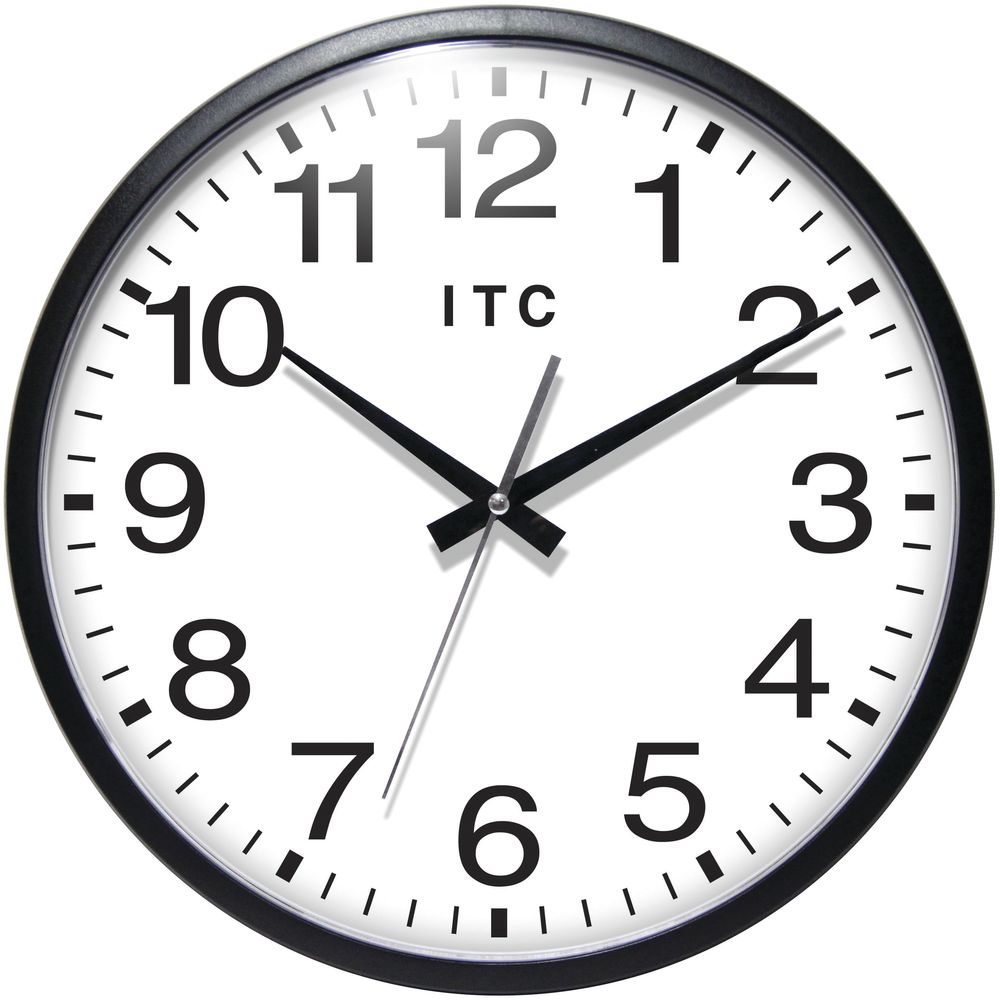
The best way to understand this concept is to compare a digital clock to an analog clock. For a digital clock, it works by showing distinct numbers on the clock. This type of information is discrete as it moves between numbers in increments and can only display a finite amount of points in time. This is very different to an analog clock which rotates hands around the clock to display the time. The rotation of these hands, or at least the second hand, would be continuous as it does not move in increments but rather moves in a smooth motion that can display an infinite amount of points in time.
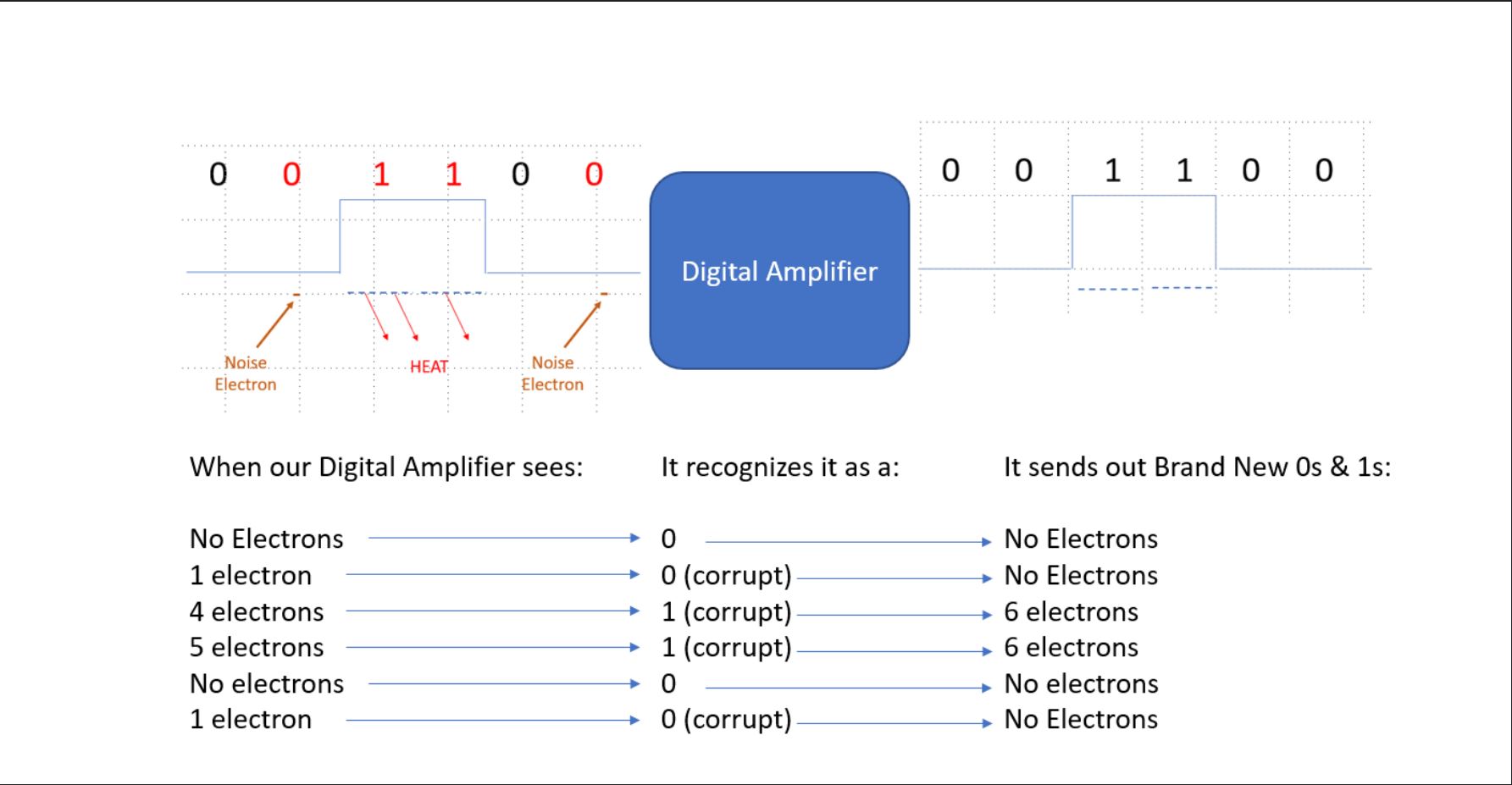
One crucial advantage a digital system has over an analog system is its ability to separate the original signal from the noise. In a digital system, even if there is a small amount of noise it is able to retain its original format. In an electrical system where a signal needs to travel a far distance, a digital signal can offer a massive advantage over an analog signal. Typically in a system like this an amplifier is used to boost the signals. When an amplifier is used to boost an analog signal, the amplifier is unable to distinguish the difference between electrons that are part of the original signal and electrons that were picked up along the way due to noise. Therefore, it is common for the amplifier to boost the noise in the signal resulting in a final signal drastically different from the original signal. However for a digital signal, an amplifier recognizes the input electrons as either 0 or 1 depending on the amount of electrons. This quality allows for a digital amplifier to avoid boosting any noise electrons, retaining the original signal.
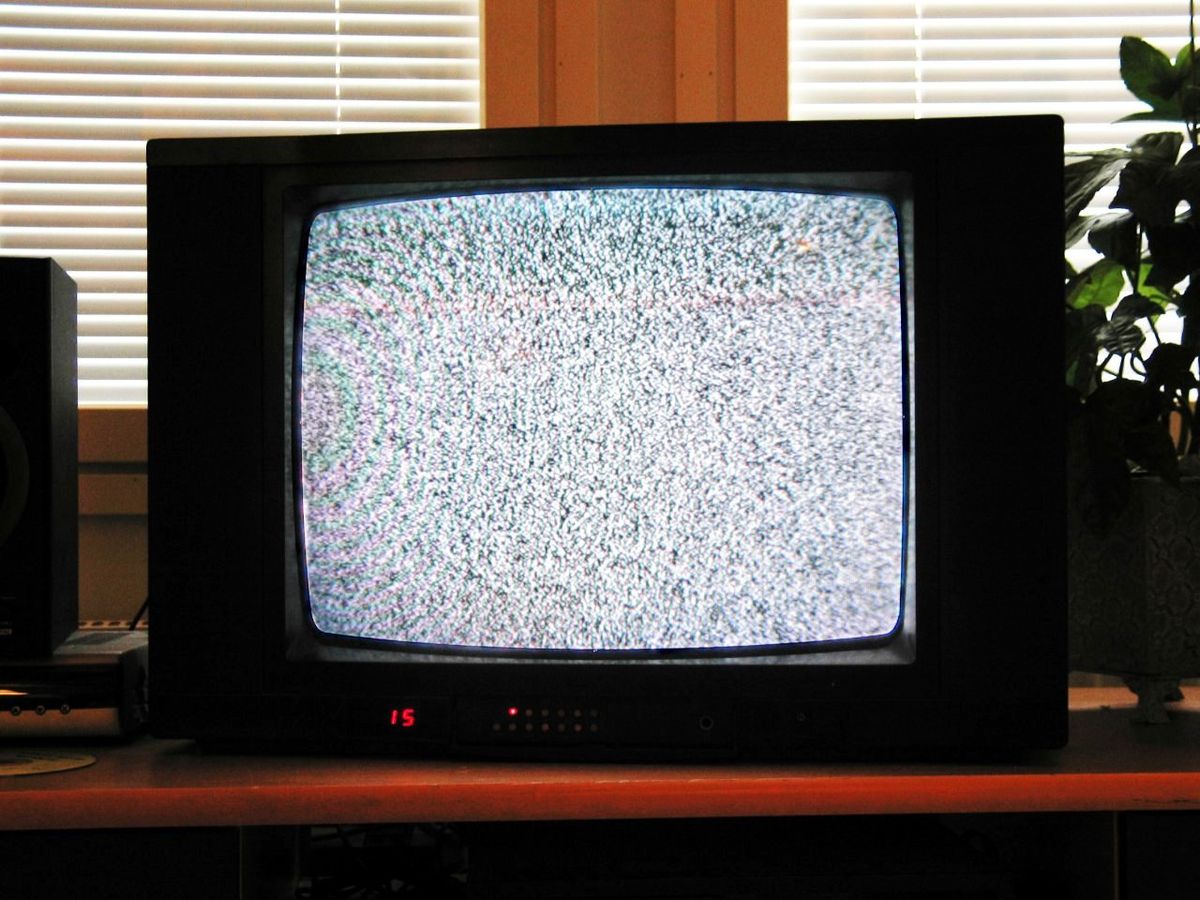
The way a digital system handles noise can be seen from a digital TV system. In the past before there were digital TV systems, analog TV systems were primarily used in homes. When tuning into a TV channel on an analog TV system, any noise or interferences gained from the broadcasted signal would cause static on the display pixelating and altering the original signal. With a digital TV system this is not a problem. Even with a moderate amount of noise, a digital TV is able to retain the original signal keeping the same image quality. It takes a considerable amount of noise to affect the signal on a digital TV in which case the signal on the display would be lost for a short period.
In conclusion, the key difference between digital and analog systems lies in how they process and represent information—either in discrete or continuous formats. Digital systems offer significant advantages, particularly in their ability to handle noise and maintain the integrity of the original signal. This makes digital technology more reliable and precise in many applications, such as digital TV, where even moderate noise has little effect on performance. Understanding the distinction between digital and analog systems is fundamental to appreciating the advancements and efficiency that digital technologies bring to modern life.
From ChatGPT 4o Mini
Prompt: create a short post about the essence of what it means to be digitial
Response: Being digital means using technology to enhance how we connect, learn, and create in everyday life. It’s about using tools like smartphones, apps, and social media to stay in touch, explore new ideas, and solve problems efficiently. As the real and online worlds blend, being digital involves adapting to new tech and understanding how data, connectivity, and innovation shape the way we live and interact.
Fact Check: Basically most of the response from ChatGPT is incorrect. While smartphones, apps, and social media may use digital data, it is incorrect to say that being digital means to adapt to new technologies. Really what digital means is just information or data that is discrete and finite. Therefore, the information provided from the ChatGPT response was removed and I instead replaced it with information talking about how digital means discrete and analog means continuous.